

India’s aerospace sector is growing quickly, with the market projected to reach $70 billion by 2030 and grow over 7% annually through 2034. As per the recently-released 15-year Technology Perspective and Capability Roadmap, the IAF is set to acquire stealth unmanned aerial combat vehicles, remotely piloted aircrafts, and high-altitude pseudo-satellites, among others. This development closely follows the PM’s Mission Sudarshan Chakra announcement – to develop a robust indigenous aerial defence system by the next decade.
ISRO has increased launch frequency by 60% from 2020 to 2025. Meeting these ambitious targets also means secure supply and top-quality indigenous materials that can meet the requirements of build-maintain-repair-overhaul. Some of priorities for these next-gen materials is to help engine components withstand temperatures above 1,200-1,700°C, significantly reduce airframe weight while ensuring higher payload capacity, boost fuel efficiency and mission endurance.
Advanced materials: Supporting the weight of aerospace ambitions
Different materials for aerospace are employed to perform specific functions: reduce weight, help endure extreme heat, or protect critical components from frequent wear & tear. Their ability to perform across several parameters such as high strength-to-weight ratios, corrosion and thermal resistance, and durability have made advanced materials indispensable today.
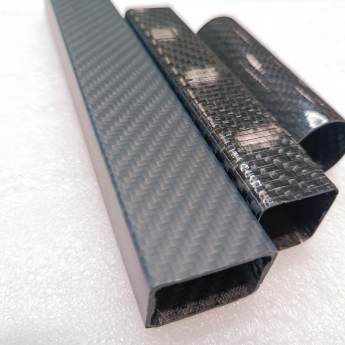
For instance, materials like carbon fiber reinforced plastics (CFRPs) are about 40% lighter than aluminium while providing better stiffness, cutting down on weight and raising efficiency. Titanium alloys maintain their strength beyond 600°C, ideal for engine parts. Together, these materials endure harsh thermal and mechanical stresses, oxidation, and fatigue, helping next-generation aerospace systems function at their best.
(*CFRP tubes – Image copyright with CUMI)
Also, to keep India’s aerospace ambitions on track, advanced composites, superalloys, ceramics, and protective coatings – all work well together. Emerging technologies like additive manufacturing (3D printing) are revolutionising component production, especially of complex, high-performance parts
Explore how these materials and innovations help engines resist heat and wear, lighten aircraft parts, protect electronics, shield helicopters, and withstand the rigours of space launch.
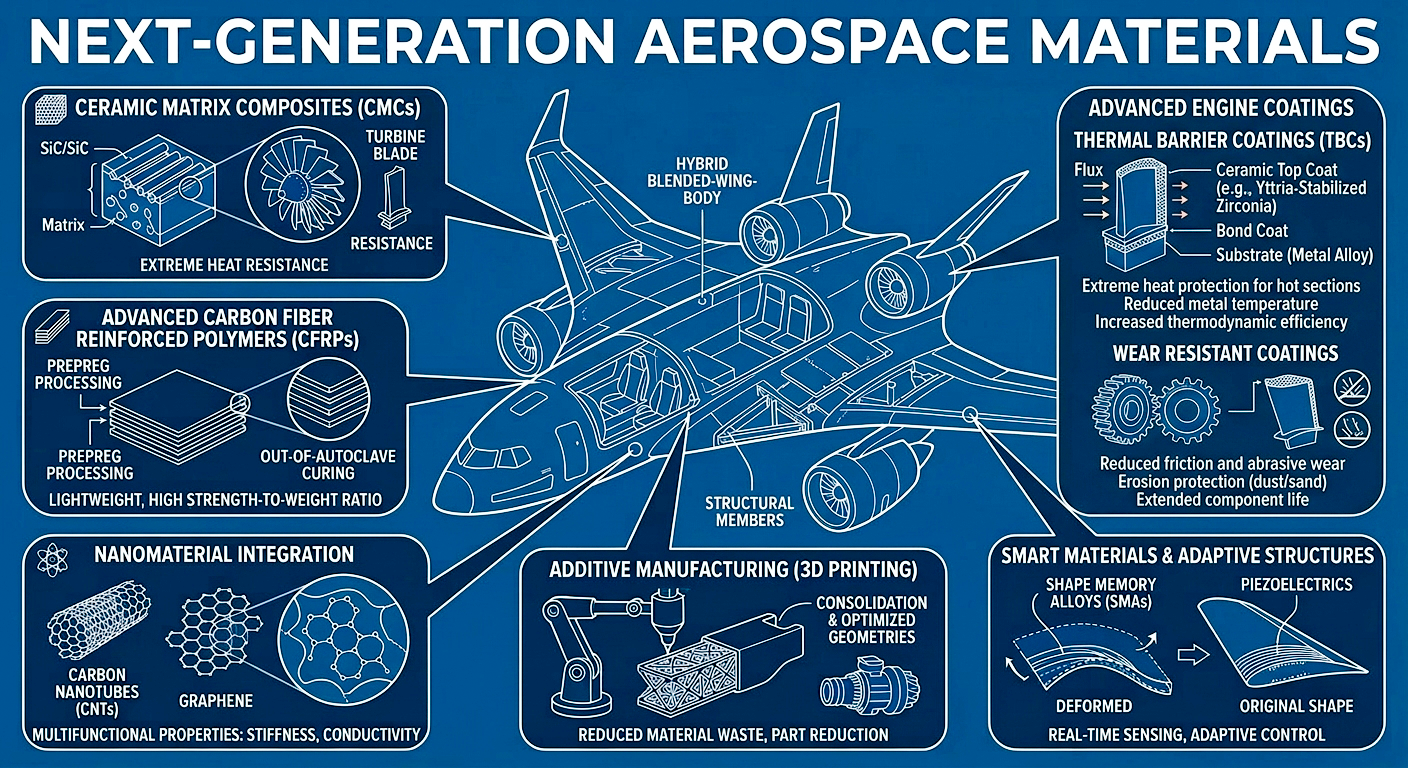
Materials that shield aerospace engines from heat and wear
Aerospace engines face extreme conditions that challenge durability. To solve this, engineers rely heavily on specialised materials and coatings to help critical components can tough it out in these environments.
Two essential protective coatings improve performance: thermal barrier coatings (TBCs) and wear-resistant coatings.

Thermal Barrier Coatings are thin ceramic layers that protect engine parts from extreme heat, often above 1,200°C. These coatings act like heat shields, keeping the metal parts underneath cooler. This helps engines run at higher, optimal temperatures and more efficiently without damage.
The most common material used here is Yttria-stabilized Zirconia (YSZ), a ceramic that doesn’t conduct heat and stays stable at high temperatures. India has also developed coatings combining YSZ with lanthanum zirconate, which provides even better heat resistance.
Techniques like air plasma spraying and vapour deposition create strongly adhesive, durable ceramic layers on engine parts.
For instance, India’s Defence Metallurgical Research Laboratory (DMRL) developed a bi-layer system of Yttria-stabilized Zirconia and Lanthanum Zirconate that protects turbine blades and extends engine life. These coatings can handle thermal shock, supersonic gas flow, and vibration.
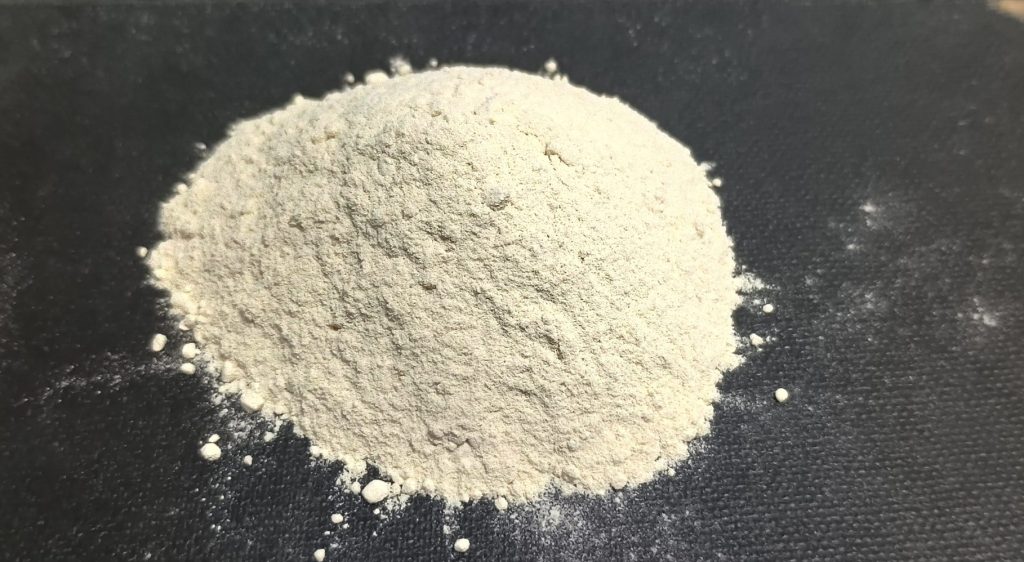
On the other hand, wear-resistant coatings protect engine components from friction, erosion, and corrosion. These coatings often use nanostructured materials like titanium nitride or chromium nitride, which make surfaces very hard and smooth. Indian innovations in nanostructured coatings and surface engineering improve hardness and durability on shafts, bearings, and compressors, significantly reducing maintenance, repair, overhaul and operational costs.
(*Image copyright with CUMI)
CUMI is among the few manufacturers of high-quality thermal spray powders in India. This base material that goes into producing thermal barrier coatings and wear-resistance coatings is currently 100% imported. Through our intimate knowledge of materials and their chemistry, we have been able to precisely fine-tune particle size and characteristics for a wide range of aerospace applications. This is especially crucial at a time when India is developing the next generation of high-performance jet engines.
Flying lighter to go further with lightweight materials
In aerospace, every gram counts. Lighter components improve fuel efficiency, increase payload capacity, and cut operating costs. It’s been estimated that removing just 1 kilogram from an aircraft could potentially save 106 kilograms of jet fuel annually, translating to significant cost savings and major reduction in emissions. These lightweight materials include:
- Carbon Fibre-Reinforced Polymers (CFRPs): Reduce weight by up to 40%, used in wings, fuselage, and satellites
- Titanium alloys: Strong, corrosion-resistant, ideal for engines and landing gear
- Magnesium alloys: Among the lightest metals, used in avionics and engine parts with ongoing improvements in corrosion resistance
These materials yield cascading benefits:
- Saving 2.5 kg per aircraft across 800 planes cuts fuel consumption by over 44,700 gallons yearly, saving about $180,000
- Lighter aircraft require less thrust, lowering greenhouse gas emissions and meeting stricter emission regulations
- Weight reduction enhances manoeuvrability, acceleration, stiffness, boosting safety and efficiency
Through our collaborations with DRDO on the Resin Film Infusion fabrication technique, we will be able to easily design complex, large airframe parts. We are also collaborating with ideaForge Technology and Group subsidiary Dhaksha Unmanned Systems for the use of nanomaterials in developing lighter, stronger aerostructures. Our flagship facility dedicated to graphene in Kerala is doing cutting-edge work in the area of nanocomposites, nanomaterials such as carbon nanotubes, and specialty inks.
Advanced ceramics power aerospace electronics
Aerospace electronics must endure extreme temperatures, vibration, and electromagnetic interference. To tackle this, advanced ceramics deliver thermal stability, electrical insulation, mechanical strength, and corrosion resistance, critical for reliability.
Materials such as high-purity alumina ceramic substrates form the foundation for printed circuit boards in avionics and defence communication systems. Their dielectric strength and low electrical loss provide just enough insulation, while high thermal conductivity protects microelectronics during rapid thermal cycles.
Ceramics also serve as durable sensor housings and high-voltage insulators, protecting navigation, electronic warfare, and satellite communication equipment. A key success is the domestic development of alumina ceramics with 94–99.6% purity, reducing import dependency and securing supply chains for defence and space. This achievement reflects strong collaboration among research institutions, industry, and academia.
>>Explore our Ceramics for Electronics range here.
Emerging innovations like graphene-enhanced ceramics promise even better electrical, thermal, and mechanical properties.
Our Industrial Ceramics division in Hosur was awarded the Process Certificate for the metallization of Alumina substrates from the Space Applications Centre, ISRO, in May 2024. These substrates are used for electronic components in space vehicles. Advanced capabilities in the triple layer metallization process on Alumina substrates enables us to ramp up production for flight use. CUMI is among the only manufacturers of this product in the country.
We are exploring closer tech collaborations with DRDO on future aerospace and defence electronics applications.
Lightweight armour materials protect helicopters without compromise
Helicopters face ballistic threats, shrapnel, and high-velocity impact, requiring strong yet lightweight armour to maintain agility and payload capacity.
Advanced ceramics such as alumina (Al₂O₃), boron carbide (B₄C), and silicon carbide (SiC) form the hard ‘strike face’ to fracture or erode incoming projectiles. They combine well with aramid fibre composites and ultra-high molecular weight polyethylene (UHMWPE) laminates to absorb energy and catch fragments, configured as lightweight sandwich panels for helicopter floors, doors, and cockpits.
India has developed armour panels that are exceptionally lighter than older designs. These protect helicopters like the Mi-17 while preserving speed and manoeuvrability while passing rigorous ballistic testing.
Refractory materials in space launch
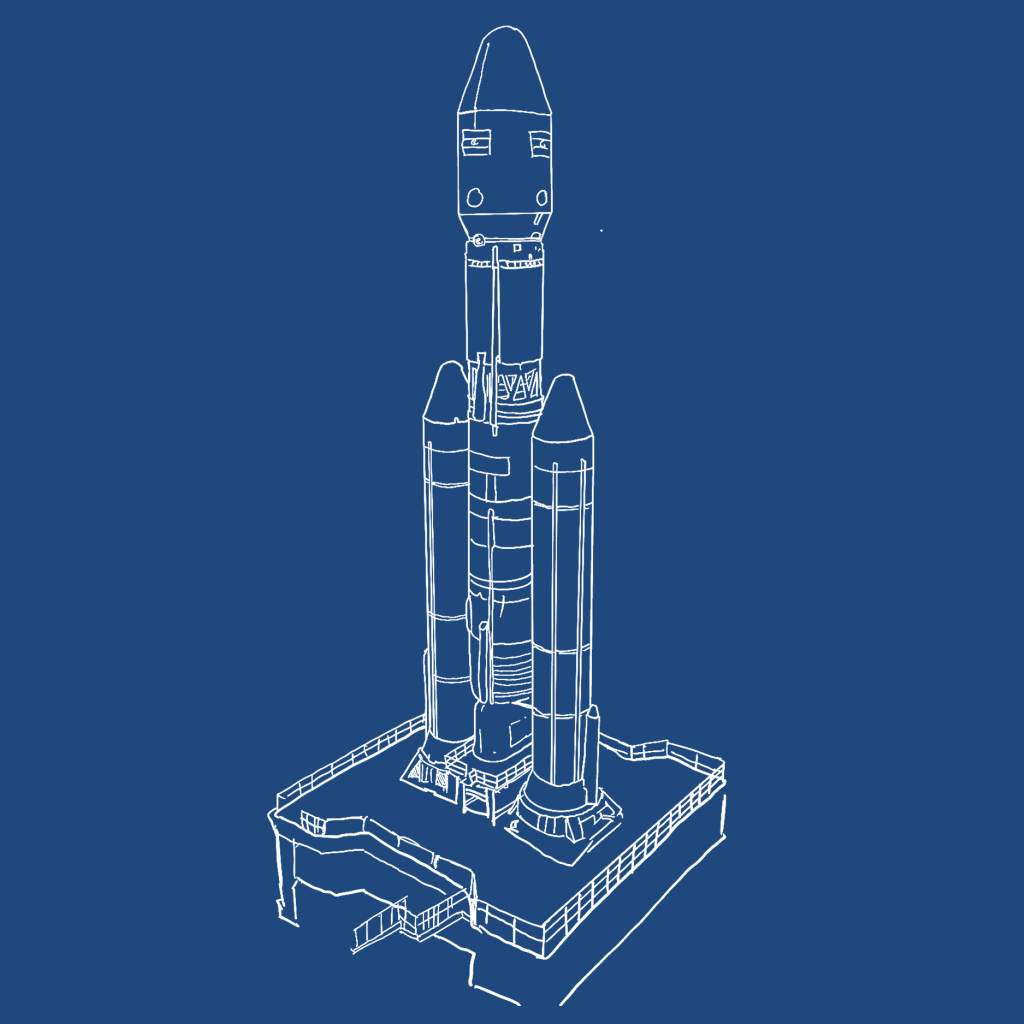
Space launch vehicles go through some of the roughest engineered conditions, facing thermal and mechanical stresses exceeding 3,300°C, intense vibration, shock, and corrosive exhaust gases.
Refractory ceramics, with high melting points and thermal shock resistance, shield engine nozzles and launch structures from heat and corrosion. CUMI’s Super Refractories produces that materials can simultaneously resist such high temperature, pressure, and chemical corrosion (while still retaining their identity, strength, and form). CUMI is proud to have a long-term association with ISRO for our high performance refractories. For 20 years now, we have been supplying our indigenously developed refractory products for all ISRO rocket launchpads at the Satish Dhawan Space Centre in Sriharikota.
Also read: How materials science propelled us to space
We are also pursuing R&D to expand collaboration with ISRO in mission-critical areas such as developing thermal barrier coatings (TBCs) for rocket nozzles. TBCs are widely used as in the manufacture of aircraft engines to protect components exposed to extreme heat, in maintenance and overhaul of critical engine components, and in space launch vehicles. Their high thermal resistance and anti-corrosive properties offering protection from wear & tear helps increase component longevity. The materials are currently under qualification.
Materials such as carbon-carbon (c/c) composites combine carbon fibres with matrices to deliver remarkable strength at high temperatures, used in nozzle throats and leading edges exposed to flames. These composites also help minimise vehicle weight, critical for launch efficiency. High-entropy alloys, a novel class of multi-component metals, provide exceptional strength and oxidation resistance at elevated temperatures, extending engine and structural lifespans.
Collaboration with domestic materials science leaders, like CUMI, ensures a steady supply of refractory materials used in flame deflectors and thermal protection. These materials have supported landmark missions like Chandrayaan and Mangalyaan, highlighting growing self-reliance.
Embracing emerging materials and manufacturing technologies
India’s aerospace sector is increasingly adopting emerging technologies like additive manufacturing to tackle complexity and reduce waste. Metal 3D printing using titanium alloys and maraging steel accelerates production of engine parts and UAV frames, supported by industry partnerships and advanced facilities. Ceramic 3D printing enables development of thermal coatings, sensor housings, and insulators, reducing imports and boosting self-reliance.
Also read:How 3D ceramic printing is shifting the course of the aerospace industry
Sustainable manufacturing through recyclable composites and locally sourced materials strengthens supply chains and minimises environmental impact. Research into nanomaterials such as graphene, carbon nanotubes, smart materials with self-healing/adaptive capabilities, and quantum materials drives development towards lighter, more efficient, and resilient aerospace systems.
India’s aerospace industry is poised for take-off, powered by breakthroughs in indigenous materials. The journey to self-reliance by 2047 is underway and the future of flight depends on those who rethink materials from the ground up. This will help shape India’s ascendancy as a global leader in aerospace.
